Emerging Solar Technologies Revolutionizing Renewable Energy
- Kiran Shankar Maji
- Apr 7, 2025
- 11 min read

Introduction
Solar energy has traditionally been the flagship of renewable energy. Although conventional silicon-based panels have dominated the scene, new solar technologies are now ready to become prominent. With the increasing need to address climate change, innovative materials, designs, and uses of solar systems are offering cleaner, more efficient, and more adaptable power generation solutions than ever before.
This article delves into the most promising technologies transforming the solar industry, from ultra-light printable cells to architecturally integrated solar skins.

1. Perovskite Solar Cells: Power Meets Simplicity
Perovskite materials, which are primarily composed of organic-inorganic halide compounds, have emerged as a revolutionary alternative to traditional silicon-based solar cells. Their unique crystal structure, often resembling that of the mineral perovskite, allows for remarkable light absorption and charge carrier mobility, which can lead to enhanced energy conversion efficiencies. In recent years, extensive research has demonstrated that these perovskite solar cells can achieve efficiencies that are comparable to—and in some cases even exceed—those of conventional silicon cells. This is particularly noteworthy given the rapid advancements in perovskite technology, which have seen efficiencies soar from just a few percent to over 25% in a relatively short span of time. One of the most significant advantages of perovskite solar cells is their manufacturing process, which is considerably simpler and can be conducted at low temperatures. Unlike traditional silicon solar cells that require high-temperature processes and complex fabrication techniques, perovskite cells can be produced using methods such as spin coating or inkjet printing. This not only streamlines the production process but also significantly reduces the overall manufacturing costs associated with solar cell production. As a result, perovskite materials present a more accessible option for large-scale solar energy deployment, particularly in regions where resources for high-tech manufacturing are limited. Moreover, the versatility of perovskite materials allows for a range of compositions and structures, enabling researchers to tailor their properties for specific applications. This flexibility opens up new possibilities for integrating perovskite solar cells into various environments, including building-integrated photovoltaics (BIPV) and flexible solar panels that can be adapted to different surfaces and shapes. Additionally, ongoing research is focused on improving the stability and longevity of perovskite cells, which have historically struggled with degradation over time when exposed to moisture and UV light. With these advancements, the potential for perovskite materials to play a significant role in the renewable energy landscape is increasingly recognized. As the world strives to transition to more sustainable energy sources, the cost-effectiveness and high performance of perovskite solar cells could be instrumental in making solar energy more affordable and accessible to a broader population, ultimately contributing to a reduction in carbon emissions and a move towards a greener future.
Key Technical Advantages:
Power conversion efficiencies exceeding 25.7%
Tunable bandgap for multi-junction tandem cells
Flexible substrates for curved or wearable devices
Challenges and Outlook:
Perovskites are sensitive to moisture and UV degradation. Research is ongoing to improve
their stability and scale production. Tandem architectures (perovskite + silicon) may surpass the Shockley–Queisser limit of single-junction cells.
2. Bifacial Solar Panels: Double-Sided Efficiency
Unlike conventional modules, bifacial panels represent a significant advancement in solar technology by capturing light from both front and rear surfaces. This dual-sided functionality allows them to harness not only direct sunlight but also reflected sunlight that bounces off the ground or nearby structures, effectively increasing their energy absorption capabilities. The ability to utilize this reflected light is particularly beneficial in environments with high albedo, such as snowy or sandy areas, where sunlight is reflected more efficiently. As a result, bifacial panels can enhance overall power output by an impressive 10–30%, depending on various factors such as installation angle, geographic location, and the reflective properties of the surrounding surfaces. Additionally, the increased efficiency of bifacial panels contributes to a more sustainable energy solution, allowing for greater electricity generation without the need for additional land or resources. This characteristic is especially advantageous in urban settings where space is often limited. Furthermore, the durability and longevity of bifacial panels are notable; they are typically designed to withstand harsh environmental conditions, which can lead to lower maintenance costs and a longer return on investment for solar energy systems. Incorporating bifacial technology into solar installations not only maximizes energy output but also supports the transition to renewable energy sources, contributing positively to the reduction of carbon footprints. As the demand for clean energy continues to rise, bifacial panels are becoming an increasingly popular choice for both residential and commercial solar projects, making them a vital component in the future of solar energy generation.
Common Applications:
Utility-scale solar plants with white gravel or reflective ground coating
Snowy regions where albedo effect enhances backside generation
Urban installations with reflective rooftops or walls
Pro Tip:
Pairing bifacial modules with single-axis trackers can boost efficiency even more—making them ideal for high-latitude or desert regions.
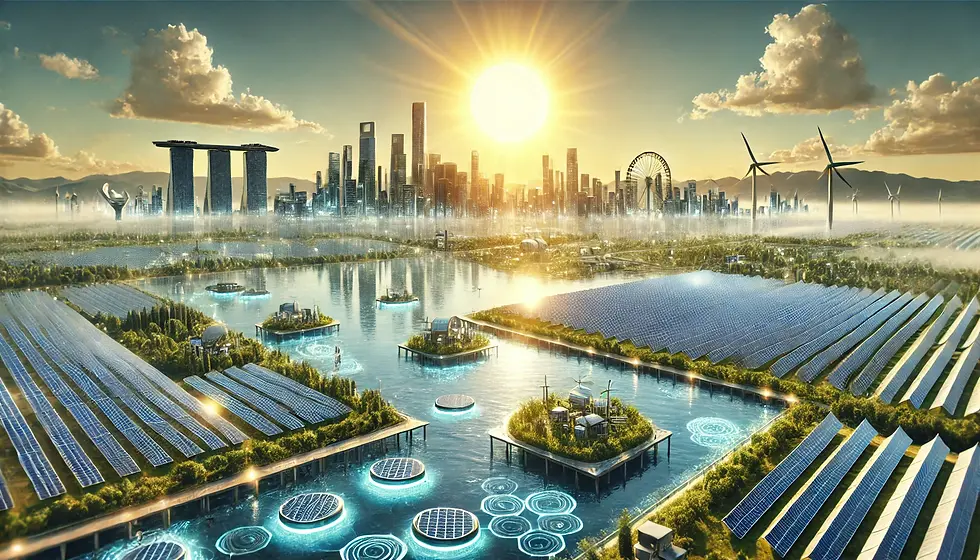
3. Floating Solar Farms (Floatovoltaics): Clean Energy on Water
Water-based solar arrays are gaining significant traction in recent years, particularly in densely populated countries where available land for traditional solar farms is scarce. These innovative systems are designed to float on various bodies of water, including reservoirs, lakes, and even the surfaces of hydroelectric dams. The adoption of floating solar technology presents a myriad of advantages that make it an attractive solution for energy production in urban areas and regions with high population densities.
One of the primary benefits of water-based solar arrays is their ability to utilize otherwise underutilized space. In many urban environments, land is at a premium, and finding suitable locations for solar installations can be a challenging endeavor. By deploying solar panels on water, these systems not only maximize energy generation potential but also alleviate the pressure on terrestrial land use. This is particularly crucial in countries where agricultural land is limited or where urban sprawl is encroaching on natural habitats.
Furthermore, floating solar systems offer unique dual-use benefits. They can help reduce evaporation from water bodies, which is especially important in arid regions where water conservation is critical. By covering the water's surface, these arrays can significantly decrease the amount of water lost to evaporation, thus preserving valuable water resources for agricultural and drinking purposes. Additionally, the presence of solar panels can help maintain cooler water temperatures, which can be beneficial for aquatic ecosystems by reducing the likelihood of harmful algal blooms.
Moreover, the integration of solar energy generation with existing water infrastructure, such as hydroelectric dams, can lead to enhanced efficiency. By combining these technologies, operators can optimize energy output, as the cooling effect of the water can improve the performance of solar panels, increasing their efficiency compared to those installed on land. This synergy not only maximizes energy production but also helps in stabilizing the grid by providing a more consistent energy supply.
In terms of environmental impact, floating solar arrays can help mitigate some of the ecological disturbances associated with land-based solar farms. By avoiding land clearing and habitat disruption, these systems can contribute to more sustainable energy practices. Additionally, the deployment of solar panels on water bodies can be done with minimal environmental footprint, as they often require less invasive installation methods compared to traditional ground-mounted systems.
As technological advancements continue to improve the efficiency and cost-effectiveness of floating solar arrays, it is likely that their adoption will expand further. Countries grappling with energy demands and land scarcity are increasingly looking towards these innovative solutions as a means to meet their renewable energy goals. The combination of energy production, water conservation, and minimal environmental impact positions water-based solar arrays as a promising frontier in the pursuit of sustainable energy solutions.
Benefits Beyond Power:
Reduces evaporation in water bodies
Natural cooling effect increases PV efficiency
No need for costly land acquisition
Real-World Example:
India’s Ramagundam Floating Solar Plant, one of the largest, generates 100 MW while covering over 500 acres of a reservoir, minimizing water loss and saving land resources.
4. Solar Skins and Custom Aesthetics
Modern homeowners and developers are increasingly seeking out design-conscious solar solutions that not only provide sustainable energy but also enhance the aesthetic appeal of their properties. This growing demand for visually appealing solar technology has led to innovative advancements in the field of solar panel design. Enter solar skins—these are sophisticated, thin overlays that are specifically engineered to allow solar panels to seamlessly blend with various roofing materials, such as shingles and tiles. Additionally, solar skins can be customized with unique prints and designs, enabling homeowners to express their personal style while harnessing the power of renewable energy.
The integration of solar skins represents a significant shift in how solar panels are perceived and utilized. Traditionally, solar panels have been viewed as bulky, unattractive additions to a home’s exterior, often drawing attention for the wrong reasons. However, with the advent of solar skins, this perception is rapidly changing. These innovative overlays are designed to mimic the appearance of traditional roofing materials, ensuring that the solar installations do not detract from the overall architectural integrity of the home. Instead, they enhance it, creating a harmonious look that appeals to the modern aesthetic sensibilities of homeowners.
Furthermore, the customization aspect of solar skins allows for a wide range of creative possibilities. Homeowners can choose from a variety of patterns, colors, and textures that align with their personal tastes and the design of their homes. This level of personalization not only makes solar energy more accessible but also encourages more homeowners to consider solar solutions as viable options for their energy needs. By incorporating solar skins, developers can also market properties that stand out in a competitive real estate market, appealing to environmentally conscious buyers who prioritize sustainability without compromising on style.
In conclusion, the emergence of solar skins in the realm of solar energy solutions marks a pivotal moment for homeowners and developers alike. By combining functionality with aesthetic appeal, solar skins are redefining the way solar energy is integrated into residential architecture, making it possible for homeowners to invest in renewable energy without sacrificing the beauty and design of their homes.
Where It's Trending:
Residential rooftops in architectural heritage zones
Commercial buildings looking for brand-aligned aesthetics
Municipal zones with visual design ordinances
How It Works:
Solar skins use thin-film technology embedded with custom patterns, allowing light through to underlying photovoltaic layers while maintaining the look of the original surface.
5. Solar Windows and Transparent Panels
Photovoltaic glass is revolutionizing the way we think about energy generation by transforming what were once merely passive surfaces into innovative power-generating entities. This advanced technology utilizes specially designed panels that are either transparent or semi-transparent, enabling them to effectively harvest infrared and ultraviolet light while still allowing visible light to pass through. This unique property not only makes photovoltaic glass an attractive option for building facades and windows but also enhances the aesthetic appeal of structures without compromising natural lighting.
The integration of photovoltaic glass into architectural designs opens up a myriad of possibilities for sustainable energy solutions. For instance, buildings can now produce their own electricity without the need for traditional solar panels that often require significant space and can obstruct views. Instead, photovoltaic glass can be seamlessly incorporated into the design of skyscrapers, residential homes, and even greenhouses, maximizing energy efficiency while maintaining the functionality and beauty of the space.
Moreover, the ability of photovoltaic glass to capture infrared and ultraviolet light means that it can generate electricity even in low-light conditions, such as on cloudy days or during the winter months. This capability significantly enhances its reliability as a renewable energy source, making it a viable option for various climates and geographic locations. As technology continues to advance, the efficiency of these panels is expected to improve, allowing for even greater energy output and making photovoltaic glass a more attractive investment for both commercial and residential properties.
In addition to energy generation, photovoltaic glass also contributes to building insulation and energy conservation. The panels can help regulate indoor temperatures by reducing heat loss in the winter and minimizing heat gain during the summer. This dual functionality not only lowers energy costs for heating and cooling but also reduces the overall carbon footprint of the building, aligning with global efforts to combat climate change.
As the demand for renewable energy sources continues to rise, photovoltaic glass stands at the forefront of innovative solutions that blend technology, sustainability, and design. The potential applications of this technology are vast, ranging from smart homes equipped with energy-generating windows to urban environments where entire buildings can operate independently from the grid. The future of photovoltaic glass is bright, promising a world where energy generation is seamlessly integrated into our everyday lives.
Use Cases:
Skyscrapers with glass façades
Greenhouses that generate power without impacting crop growth
Electric vehicle windows and sunroofs
Technological Note:
Some PV windows use quantum dots or organic photovoltaics (OPVs) for light harvesting, though commercial viability is still being tested for mass deployment.
6. Concentrated Solar Power (CSP) with Thermal Storage
CSP systems, or Concentrated Solar Power systems, utilize a sophisticated approach to harness solar energy by focusing sunlight through the use of mirrors, commonly referred to as heliostats. These heliostats are strategically positioned to track the sun's movement across the sky, ensuring that sunlight is consistently directed toward a central receiver located at the top of a tower or in a designated area. This concentrated sunlight generates significant amounts of heat, which is a crucial component in the overall efficiency of the system.
The heat generated in this process is then stored using advanced materials such as molten salts or thermal oils. These storage mediums are particularly effective because they can retain heat for extended periods, allowing for the thermal energy to be utilized even when the sun is not shining. This capability is particularly advantageous for energy generation during nighttime or cloudy days, as it enables the production of steam that can drive turbines and generate electricity even after sunset. The ability to store thermal energy in this manner not only enhances the reliability of CSP systems but also contributes to a more stable and consistent energy supply, making it a viable alternative to traditional fossil fuels.
Moreover, the use of molten salts, which typically consist of a mixture of sodium nitrate and potassium nitrate, offers a high heat capacity and low cost, making them an attractive option for large-scale energy storage. Thermal oils, on the other hand, provide flexibility in terms of operational temperature ranges and can be used in various configurations to optimize heat transfer and efficiency. Both methods of heat storage play a pivotal role in maximizing the overall efficiency of CSP systems and facilitating the transition towards renewable energy sources.
In summary, CSP systems represent a cutting-edge technology in the field of renewable energy, leveraging advanced materials and innovative design to capture and store solar energy effectively. By focusing sunlight onto a central receiver with heliostats and utilizing molten salts or thermal oils for heat storage, these systems can produce steam for turbines, ensuring a continuous supply of electricity that extends beyond daylight hours.
Key Benefits:
Dispatchable renewable power (stores energy for 8+ hours)
Suitable for hybrid solar + thermal plants
Less dependence on chemical battery storage
Limitations:
Best suited for regions with high direct normal irradiance (DNI) like deserts or arid zones.
7. Printable and Flexible Solar Cells: Lightweight Power
Emerging techniques like roll-to-roll printing and inkjet-deposited solar films are revolutionizing the landscape of solar energy technology by enabling the production of extremely light, thin, and bendable panels. These innovative manufacturing processes allow for the continuous production of solar cells on flexible substrates, which significantly enhances their versatility and application potential. The roll-to-roll printing technique involves feeding a continuous roll of material through a series of printing stations, where conductive inks and photovoltaic materials are applied in a precise manner. This method not only streamlines the production process but also reduces material waste and lowers overall costs, making solar technology more accessible to a broader audience.
Moreover, the ability to print these solar cells on various substrates, including plastic and textiles, opens up a myriad of possibilities for integration into everyday objects. For instance, lightweight solar panels can be seamlessly incorporated into wearable technology, allowing clothing to harness solar energy for powering small devices or charging batteries on the go. Similarly, integrating solar films into building materials such as windows or facades can contribute to energy efficiency in urban environments, transforming buildings into self-sustaining energy sources.
This flexibility not only enhances the aesthetic appeal of solar energy solutions but also promotes greater adoption across different sectors, from consumer electronics to architecture. As research and development continue to advance in this field, we can anticipate further innovations that will enhance the efficiency and durability of these solar films, potentially leading to a future where solar energy is a ubiquitous part of our daily lives. The combination of lightweight, thin, and bendable characteristics with the ability to print on diverse materials signifies a promising shift towards more sustainable energy solutions, paving the way for a greener and more energy-efficient future.
Disruptive Possibilities:
Wearable electronics and solar clothing
Portable military tents and disaster relief shelters
Self-powered drones or small satellites
Efficiency Tradeoff:
Currently lower than crystalline silicon (~10-15%), but their weight-to-power ratio and low cost make them ideal for niche applications.
Conclusion: The Bright Horizon of Solar Innovation
The global energy transition is accelerating, and solar power is more critical than ever. These emerging technologies are not only enhancing efficiency but also expanding where and how solar energy can be used—from rooftops and lakes to skyscraper windows and wearable devices.
Innovation in solar is creating an inclusive energy ecosystem—one where everyone, everywhere, can tap into the sun's power, affordably and sustainably.

Comments